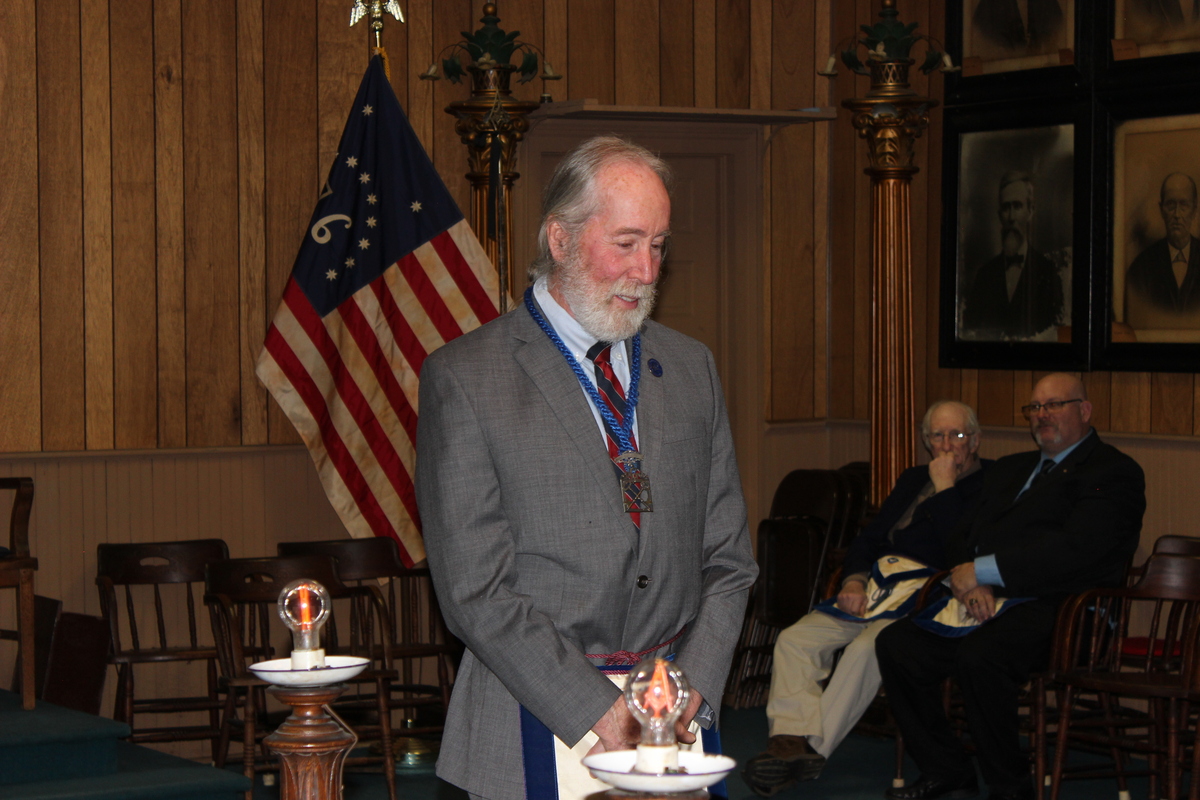
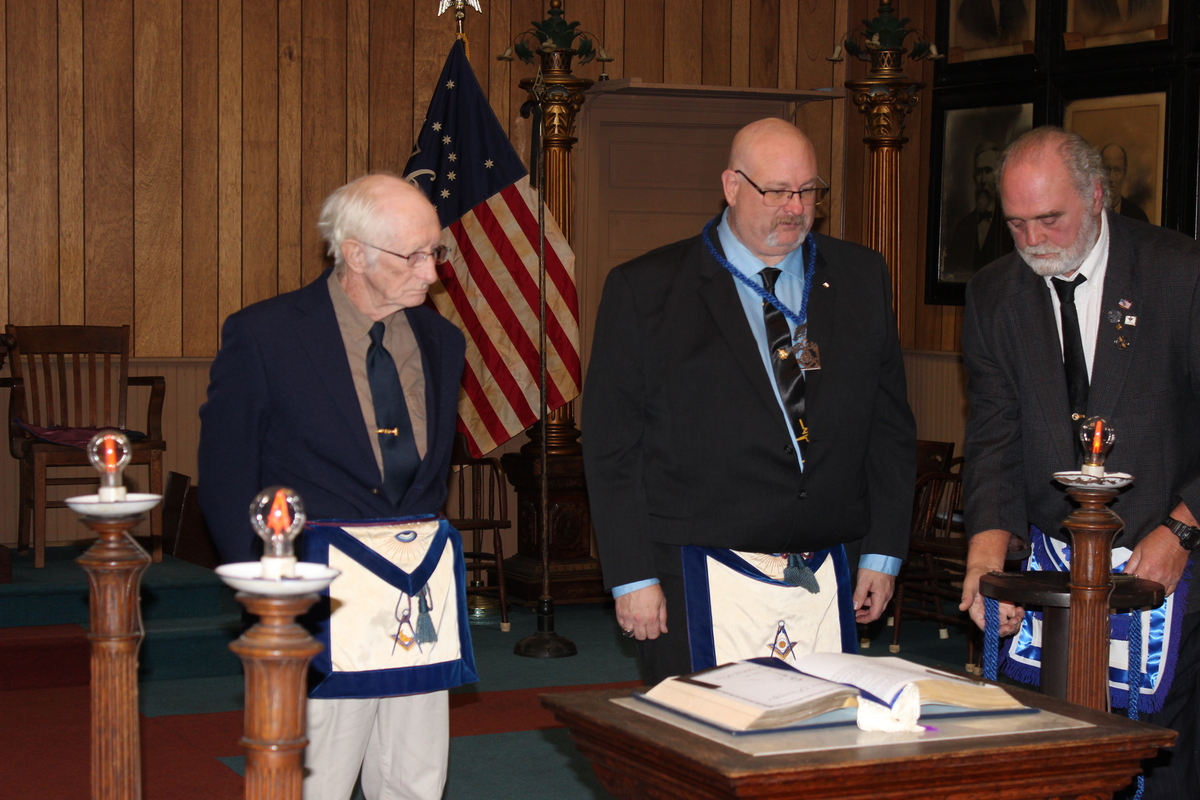
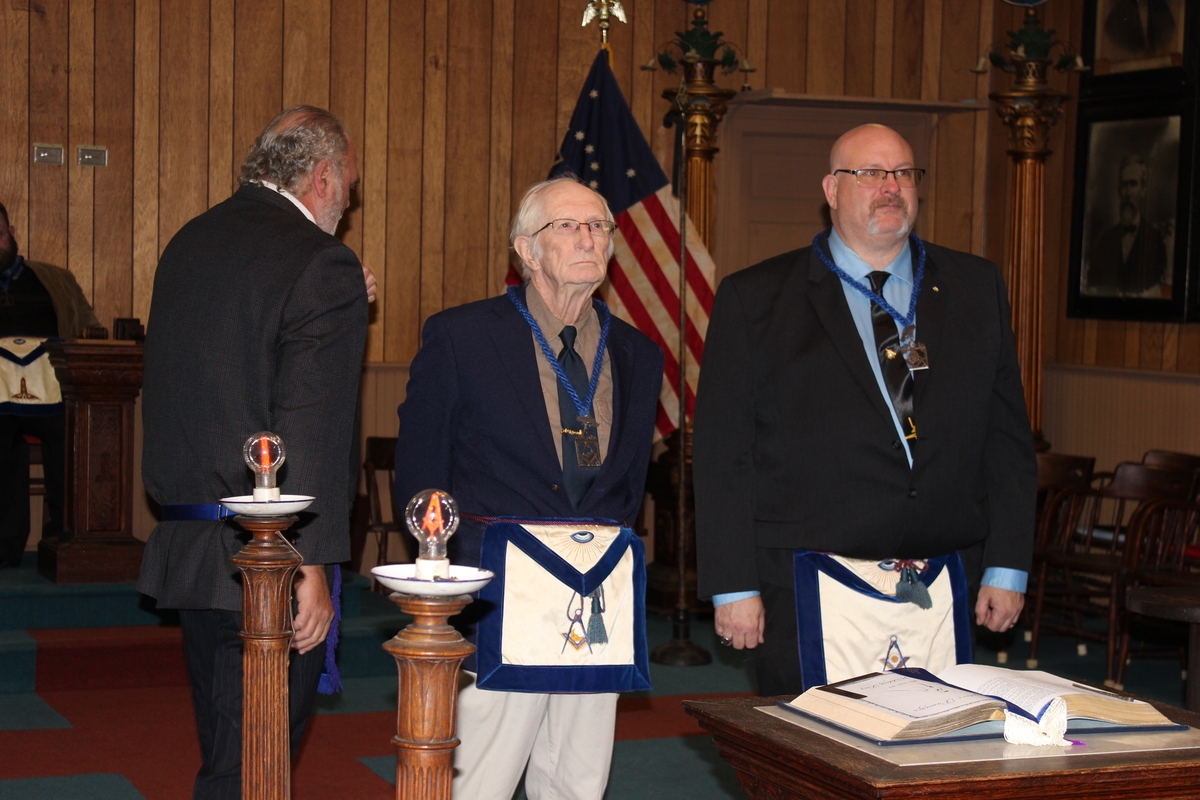
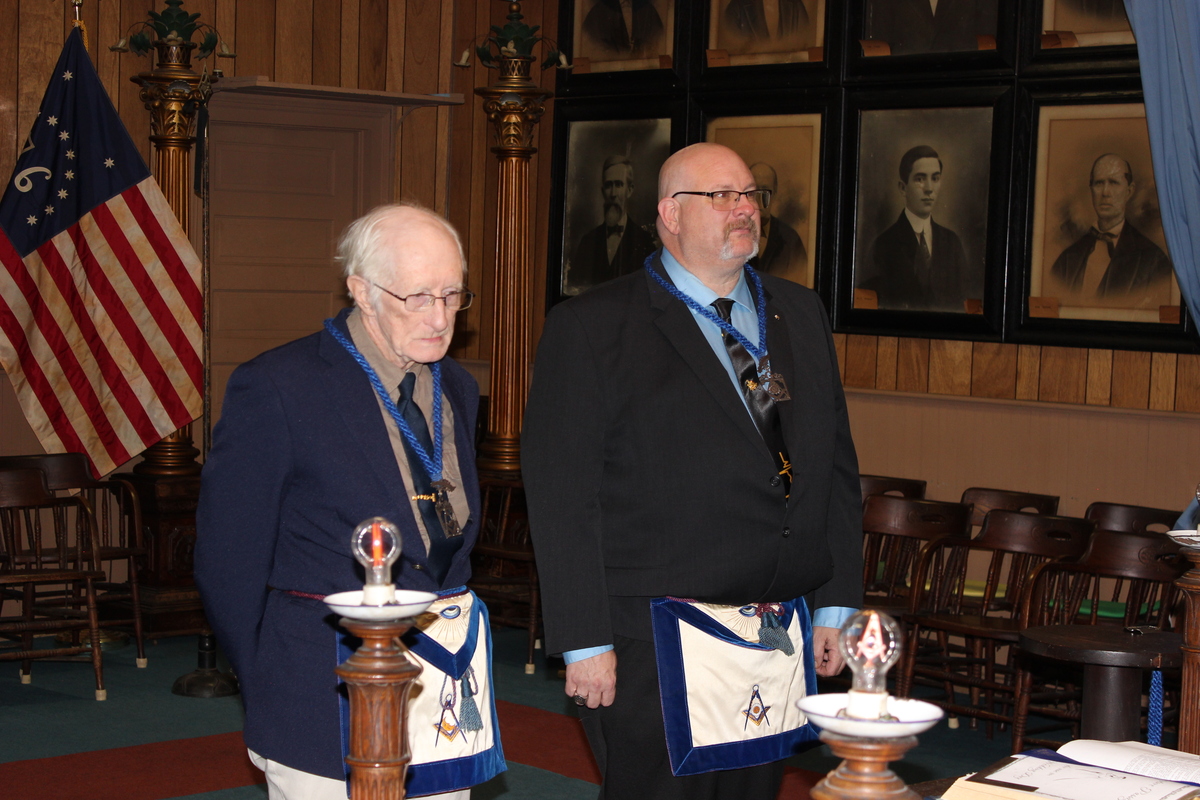
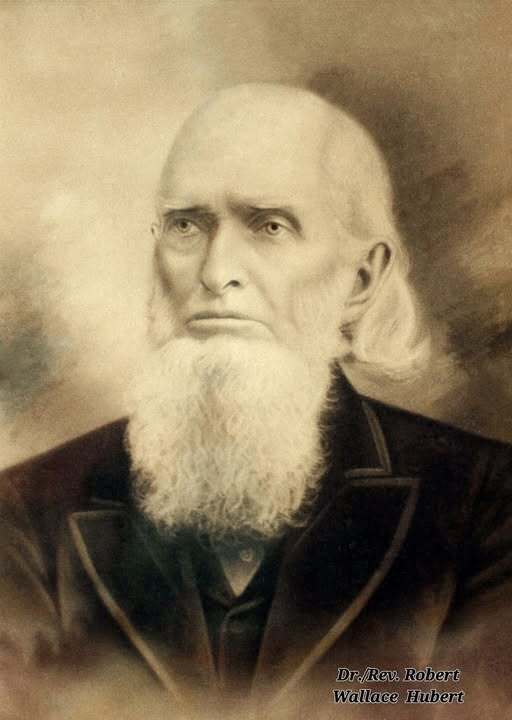
Second Installment of "Brothers on the Wall" (in the first I titled the series "Men on the Wall" but this revised title better conveys the point that these men, though having long since laid down their working tools, are still our brothers); Judge and Col. WILLIAM CRAWFORD GIBSON was born in Warren County on 10 March 1822 (tomorrow would be his 204th birthday), to Judge Thomas Gibson and Mary Rose Gardner. He was educated at the old county academies in Warren and Morgan Counties. He studied law, and was active in Georgia politics in the 1840s and 1850s, serving in the Georgia House of Representatives.
When the War Between the States began, he enlisted on 3 March 1861 as a private in Company C of the 48th Georgia Volunteer Infantry, which was raised in Augusta. A year and a day later, he was elected colonel of the regiment, which he commanded at Sharpsburg (Antietam) and Gettysburg. The 48th was part of A. R. Wright's brigade; at Sharpsburg Wright and his second in command were both wounded, and Gibson commanded the brigade for the rest of the engagement, despite having also been wounded.
On the second day of Gettysburg, Wright's brigade (which was composed of regiments made up of men mostly from this part of Georgia) was part of the assault Anderson's division of A. P. Hill's corps made on Cemetery Ridge on the Federal right. The 48th Georgia faced the 19th and 20th Massachusetts, the 7th Michigan, and the 42nd and 59th New York. The 3rd and 22nd Georgia (also mostly men from this area) were to their right, facing the 13th and 14th Vermont and the 19th Maine. Wright's brigade briefly broke through at this point, which led to the belief acted upon the next day that massed Infantry aimed at the Federal center could break through and sweep the line (Pickett's charge). Gibson however was captured on day 2, and held as a prisoner of war.
He was later exchanged, and resigned his commission on 12 November 1864. He came home, and dissatisfied with the failure of the Confederate States government to keep a field army in Georgia to contest Sherman, Gibson aligned himself with the faction in Georgia which included the Stephens brothers (Alexander and Linton), Robert Toombs (raised by the Lodge in Elberton in the Spring of 1865), and Governor Joe Brown that were looking for a negotiated peace, or a separate peace for Georgia, or (in the case of Linton Stephens), a military coup against Jefferson Davis to make Lee the temporary commander of both the army and the whole government (Lee would have been appalled at this idea had he been aware of it).
He served in the Georgia Senate in 1867, walking a fine line between the different factions arrayed against each other during Reconstruction. Later he served as a judge of the Superior Court for the Counties in this area, in which capacity he served until 1879. He died near Mesena in Warren County on 5 April 1893, and is buried at Magnolia Cemetery in Augusta.
Brother Gibson was Master of Franklin Lodge under our old charter for the years of 1852 and 1855. When Glascock County was partitioned off from Warren in 1857, he personally donated funds for a courthouse and jail for the new county once a site for the county seat had been surveyed. So the town was named for him. To our brothers in Gibson Lodge, since your Lodge is named for the town, your Lodge is ultimately named for for him.
[A personal footnote: Judge Gibson's great grandfather (John Crawford) and one of my great x6 grandfathers (Joel Crawford) were brothers; one of my great x3 grandfathers (Francis Marion Peebles) served under his command in the 48th].








![Second Installment of "Brothers on the Wall" (in the first I titled the series "Men on the Wall" but this revised title better conveys the point that these men, though having long since laid down their working tools, are still our brothers); Judge and Col. WILLIAM CRAWFORD GIBSON was born in Warren County on 10 March 1822 (tomorrow would be his 204th birthday), to Judge Thomas Gibson and Mary Rose Gardner. He was educated at the old county academies in Warren and Morgan Counties. He studied law, and was active in Georgia politics in the 1840s and 1850s, serving in the Georgia House of Representatives.
When the War Between the States began, he enlisted on 3 March 1861 as a private in Company C of the 48th Georgia Volunteer Infantry, which was raised in Augusta. A year and a day later, he was elected colonel of the regiment, which he commanded at Sharpsburg (Antietam) and Gettysburg. The 48th was part of A. R. Wright's brigade; at Sharpsburg Wright and his second in command were both wounded, and Gibson commanded the brigade for the rest of the engagement, despite having also been wounded.
On the second day of Gettysburg, Wright's brigade (which was composed of regiments made up of men mostly from this part of Georgia) was part of the assault Anderson's division of A. P. Hill's corps made on Cemetery Ridge on the Federal right. The 48th Georgia faced the 19th and 20th Massachusetts, the 7th Michigan, and the 42nd and 59th New York. The 3rd and 22nd Georgia (also mostly men from this area) were to their right, facing the 13th and 14th Vermont and the 19th Maine. Wright's brigade briefly broke through at this point, which led to the belief acted upon the next day that massed Infantry aimed at the Federal center could break through and sweep the line (Pickett's charge). Gibson however was captured on day 2, and held as a prisoner of war.
He was later exchanged, and resigned his commission on 12 November 1864. He came home, and dissatisfied with the failure of the Confederate States government to keep a field army in Georgia to contest Sherman, Gibson aligned himself with the faction in Georgia which included the Stephens brothers (Alexander and Linton), Robert Toombs (raised by the Lodge in Elberton in the Spring of 1865), and Governor Joe Brown that were looking for a negotiated peace, or a separate peace for Georgia, or (in the case of Linton Stephens), a military coup against Jefferson Davis to make Lee the temporary commander of both the army and the whole government (Lee would have been appalled at this idea had he been aware of it).
He served in the Georgia Senate in 1867, walking a fine line between the different factions arrayed against each other during Reconstruction. Later he served as a judge of the Superior Court for the Counties in this area, in which capacity he served until 1879. He died near Mesena in Warren County on 5 April 1893, and is buried at Magnolia Cemetery in Augusta.
Brother Gibson was Master of Franklin Lodge under our old charter for the years of 1852 and 1855. When Glascock County was partitioned off from Warren in 1857, he personally donated funds for a courthouse and jail for the new county once a site for the county seat had been surveyed. So the town was named for him. To our brothers in Gibson Lodge, since your Lodge is named for the town, your Lodge is ultimately named for for him.
[A personal footnote: Judge Gibson's great grandfather (John Crawford) and one of my great x6 grandfathers (Joel Crawford) were brothers; one of my great x3 grandfathers (Francis Marion Peebles) served under his command in the 48th].](/images/521/24016821/COLWilliamGibson-47LVylRLIxeSZTQQjf7EHw.jpg)